
Best AI Tools for Product Visualization and Ecommerce 3D in 2026
Quick answer: The best AI tool for product visualization and ecommerce 3D in 2026 is 3D AI Studio, because it turns a product photo into an interactive 3D model, then helps you texture it, spin it, and view it in AR - all exportable to your store. For 2D product imagery, AI image generators help, and dedicated commerce AR platforms handle very large catalog rollouts.
Online shoppers convert better when they can rotate a product, zoom into detail, and preview it in their room. The problem has always been cost: modeling every SKU in 3D is expensive. AI changes the math by turning a single product photo into a usable 3D model in minutes. This guide compares the best AI tools for product visualization and ecommerce 3D, with honest notes on where each fits.
- Best all-in-one: 3D AI Studio - product photo to 3D, texturing, 360 spins, and AR.
- Best for turning real products into 3D: image-to-3D in 3D AI Studio.
- Best 2D product imagery: AI image generators (lifestyle shots, backgrounds).
- Best large-catalog AR rollout: dedicated commerce AR platforms.
- Best for 360 spins and motion: AI video and turntable tools.
Best AI Tools for Ecommerce 3D at a Glance
| Tool | Job | Output | Best for |
|---|---|---|---|
| 3D AI Studio | Photo to 3D + web 3D | 3D models, GLB | Product 3D and interactive previews |
| AI image generators | 2D product imagery | Images | Lifestyle shots, backgrounds |
| Commerce AR platforms | Catalog AR at scale | 3D/AR embeds | Enterprise rollouts |
| AI video tools | 360 spins, motion | Video clips | Animated product reveals |
| Photogrammetry apps | Scan real products | 3D scans | High-accuracy capture |
What Ecommerce Actually Needs From 3D
- Accurate 3D from a photo - reconstruct the real product, not a vague approximation.
- Web-ready export (GLB) - the standard format for 3D and AR on product pages.
- AR preview - let shoppers place the product in their space.
- 360 spins and motion - interactive rotation and animated reveals.
- Scale and cost - the ability to cover a whole catalog affordably.
Pro tip: GLB is the format that matters for ecommerce - it is the web and AR standard. Make sure whatever you use can export clean GLB so the model embeds and renders in AR without conversion headaches.
1. 3D AI Studio - Best All-in-One for Product 3D
3D AI Studio is the most complete option because it covers the whole product pipeline. Upload a product photo to image-to-3D and get an interactive 3D model, refine the texture, then export GLB and inspect it in the 3D viewer.
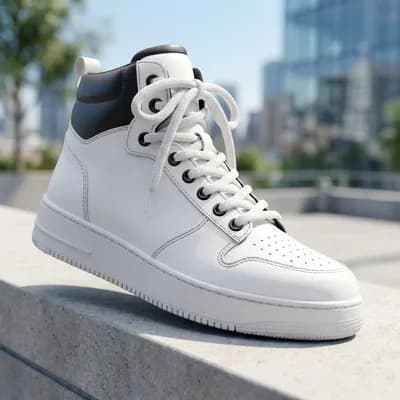
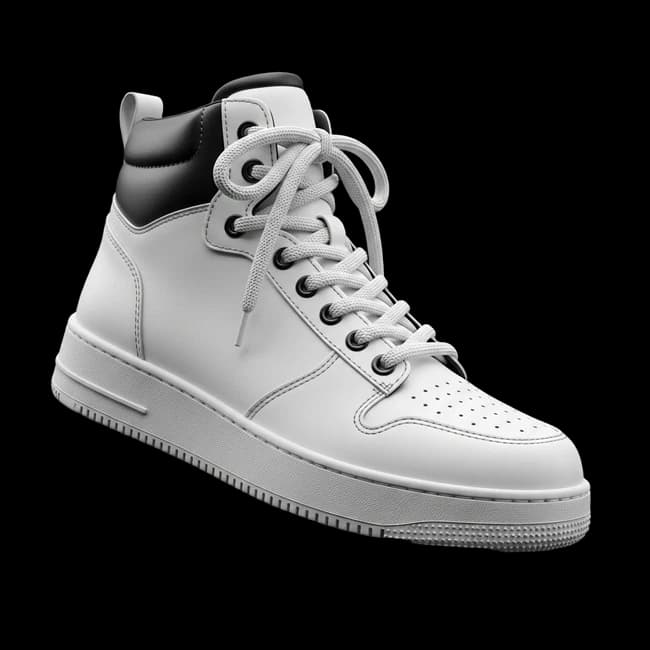
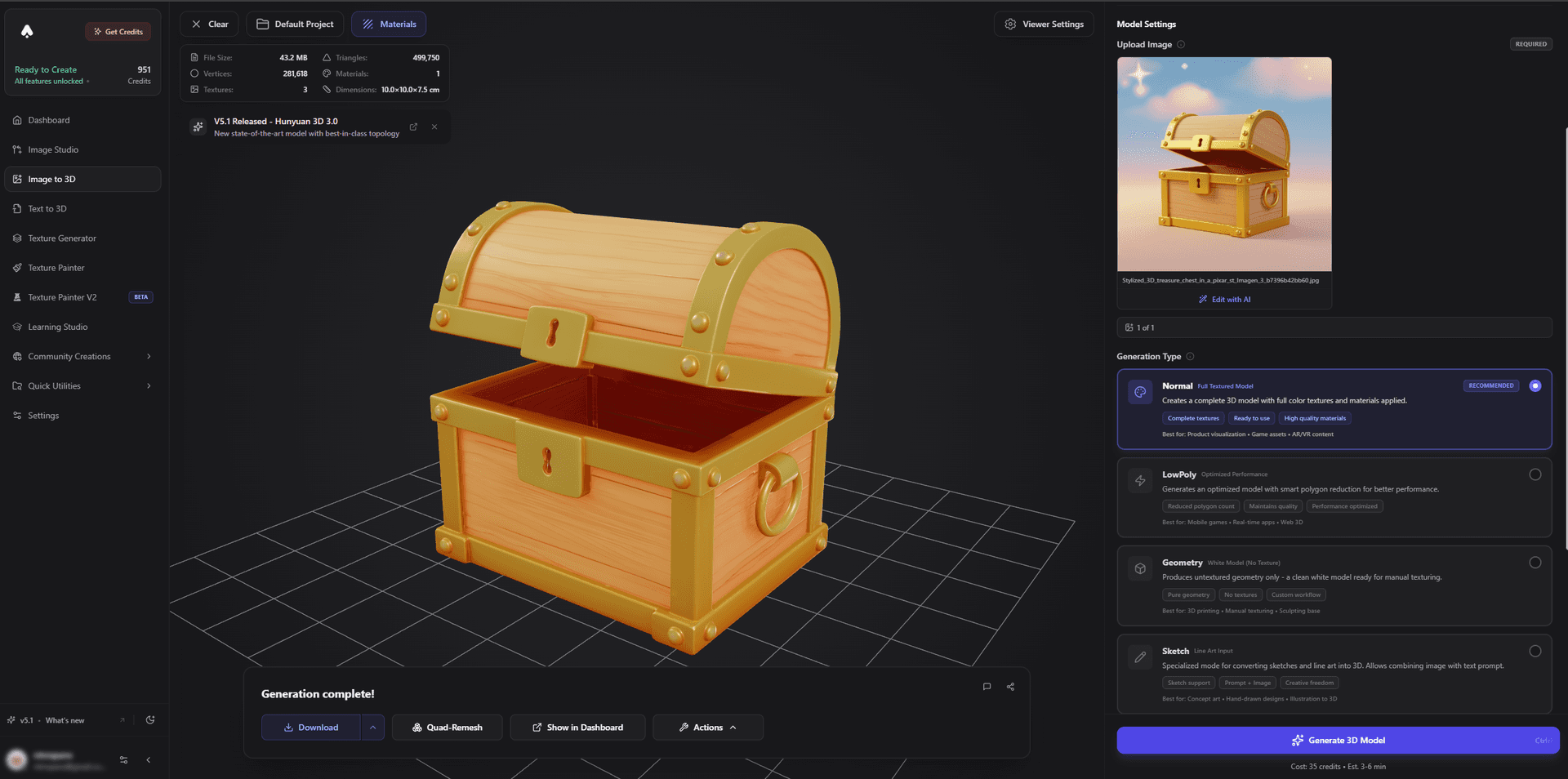
For animated product reveals and 360-style motion, you can also generate video from a still in the Video Studio:
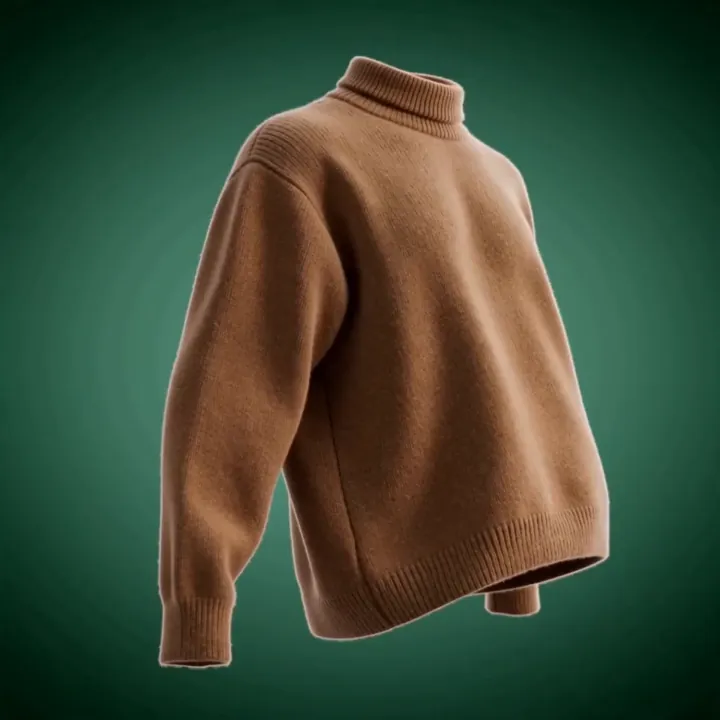
Best for: Stores and brands that want interactive 3D and AR without a 3D team.
Pros:
- Image-to-3D turns real product photos into 3D models
- Texturing, 3D viewer, and GLB export for the web
- Animated product motion via Video Studio
- Affordable enough to scale across a catalog; guides for product development
- Free tier to start
Cons:
- Very large enterprise catalogs may also want a dedicated commerce-AR platform for storefront integration
2. AI Image Generators - Best for 2D Product Imagery
AI image tools create lifestyle shots, clean backgrounds, and marketing imagery around your product - perfect for ads, banners, and listings that do not need full 3D.
Best for: Product photography style imagery and lifestyle scenes.
Pros: Fast, cheap, endless variations and backgrounds.
Cons: 2D only - no rotation or AR. Pair with 3D for interactivity.
3. Commerce AR Platforms - Best for Catalog Rollouts at Scale
Dedicated ecommerce AR platforms specialize in storefront integration, hosting, and managing 3D/AR across large catalogs with analytics and CMS hooks.
Best for: Enterprise stores rolling out AR across thousands of SKUs.
Pros: Storefront integration, hosting, analytics, support.
Cons: Often need 3D assets supplied - which is exactly what AI generation provides.
4. AI Video Tools - Best for 360 Spins and Reveals
AI video tools animate a product still or 3D model into 360 spins and cinematic reveals for ads and product pages.
Best for: Animated product reveals and social content.
Pros: Eye-catching motion from a single image, fast.
Cons: Clips, not interactive 3D; pair with a 3D model for full interactivity.
5. Photogrammetry Apps - Best for High-Accuracy Capture
Photogrammetry and scanning apps capture a real product into 3D from many photos, useful when dimensional accuracy is critical.
Best for: Highly accurate capture of physical products.
Pros: Real-world accuracy from the physical item.
Cons: Needs many photos and good conditions; slower than single-image AI.
How to Add 3D and AR to a Product Page
- Capture or generate the model. Use image-to-3D on a clear product photo with a plain background.
- Refine it. Adjust textures and clean the mesh so it matches the real product.
- Export GLB. The web and AR standard for product pages.
- Embed a 3D viewer. Let customers rotate and inspect the product from every angle with the 3D viewer.
- Add motion. Generate a 360 spin or reveal clip in Video Studio for banners and ads.
- Scale across the catalog. Repeat for your key SKUs and expand from there.
Pro tip: Start with your best-selling and highest-return products. Interactive 3D and AR have the most impact where shoppers most want to inspect detail or check fit - that is where the conversion and return-rate gains show up first.
The Bottom Line
For product visualization and ecommerce 3D in 2026, 3D AI Studio is the best all-in-one because it turns product photos into interactive, AR-ready 3D models affordably enough to scale. Add AI image tools for 2D marketing imagery and a commerce-AR platform for very large catalog rollouts, and you have a complete modern product-visualization stack.
Start by turning a product photo into 3D, and read our guides on boosting ecommerce with 3D product images and videos and virtual try-on for ecommerce.

Generate 3D models with AI
Easily generate custom 3d models in seconds. Try it now and see your creativity come to life effortlessly!
FAQ
What is the best AI tool for product visualization in 2026?
3D AI Studio is the best all-in-one because it turns a product photo into a 3D model, lets you texture and refine it, and supports 360 spins, AR viewing, and clean exports for your store. For pure 2D product imagery, AI image tools help, and dedicated AR commerce platforms handle large catalog rollouts.
Can AI turn a product photo into a 3D model?
Yes. Image-to-3D reconstructs a 3D model from one or more product photos, which you can then spin, view in AR, or embed on a product page. Use clear photos with a plain background and good lighting for the most accurate result.
Do 3D models and AR increase ecommerce conversions?
Generally yes. Interactive 3D and AR let shoppers inspect a product from every angle and preview it in their space, which builds confidence and tends to reduce returns. The barrier used to be the cost of 3D assets, which AI now lowers dramatically.
What is virtual try-on and can AI do it?
Virtual try-on lets shoppers preview products - apparel, eyewear, accessories, furniture - on themselves or in their space. AI accelerates it by generating the 3D assets and try-on visuals, so brands can offer try-on without modeling every SKU by hand.
How do I add a 3D product to my online store?
Generate or convert the product into a 3D model, export GLB (the web and AR standard), and embed it with a compatible viewer on the product page. 3D AI Studio exports GLB and other formats and includes a browser-based 3D viewer for checking the result.
Are AI-generated product models accurate enough to sell with?
For most catalog visualization, yes - especially when generated from real product photos, then lightly refined. High-stakes hero products may get extra polish, but AI is excellent for scaling 3D and AR across a large catalog affordably.