
Top 5 Techniques for Making 3D Models: From Traditional to AI-Powered
Creating impressive 3D models requires a blend of creativity and technical know-how. Whether you're a seasoned professional or just starting out, understanding various 3D modeling techniques can significantly enhance your skills. In this article, we'll explore the top 5 techniques for making 3D models in 2026, including both traditional methods and innovative AI-powered solutions.
The five core techniques: box/subdivision modeling, procedural modeling, 3D scanning/photogrammetry, digital sculpting, and AI generation. The fastest modern workflow combines AI (for the base mesh) with traditional methods (for refinement and clean topology).
1. Box/Subdivision Modeling
Box modeling, also known as subdivision modeling, is a versatile technique that starts with a simple shape like a cube. You then refine and add details incrementally. This method is excellent for creating hard-surface models and is widely used in various 3D modeling software.
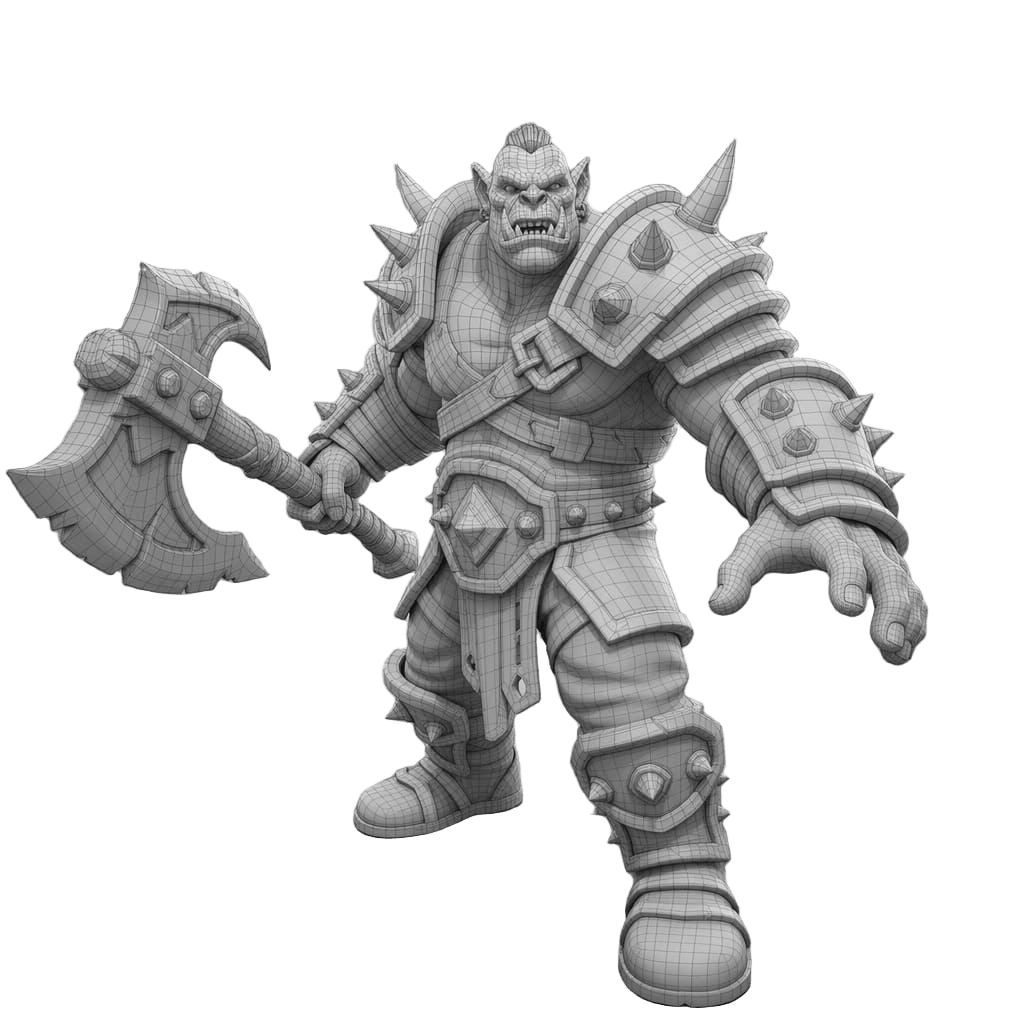
Key points:
- Start with a basic shape and add complexity gradually
- Great for architectural models and hard-surface objects
- Widely supported in popular 3D modeling software
- Clean edge flow (topology) is what makes a model easy to animate and edit
2. Procedural Modeling
Procedural modeling uses algorithms and rules to generate complex 3D models. This technique is particularly useful for creating large-scale environments, landscapes, or repetitive structures.
Key points:
- Generates models based on predefined rules and parameters
- Excellent for creating natural landscapes or city layouts
- Requires understanding of algorithms and programming concepts
3. 3D Scanning and Photogrammetry
3D scanning captures real-world objects or environments to create highly detailed digital models. Photogrammetry, a related technique, uses multiple photographs to reconstruct 3D models.
Key points:
- Captures highly accurate representations of real objects
- Ideal for creating realistic assets for games or VFX
- Requires specialized equipment or software
4. Digital Sculpting
Digital sculpting allows artists to shape and detail 3D models as if working with clay. This technique is perfect for creating organic forms, characters, and intricate details.
Key points:
- Offers intuitive, artistic approach to 3D modeling
- Excellent for creating characters and organic shapes
- Typically requires high-performance hardware for complex models
5. AI-Generated 3D Models
The latest advancement in 3D modeling is the use of AI to generate models from text descriptions or 2D images. This technique is revolutionizing the speed and accessibility of 3D model creation.
Key points:
- Rapidly generates 3D models from text or image inputs
- Ideal for quick prototyping or generating base models
- Continuously improving with advancements in AI technology
- Pairs well with auto-remeshing to produce clean, animation-ready topology
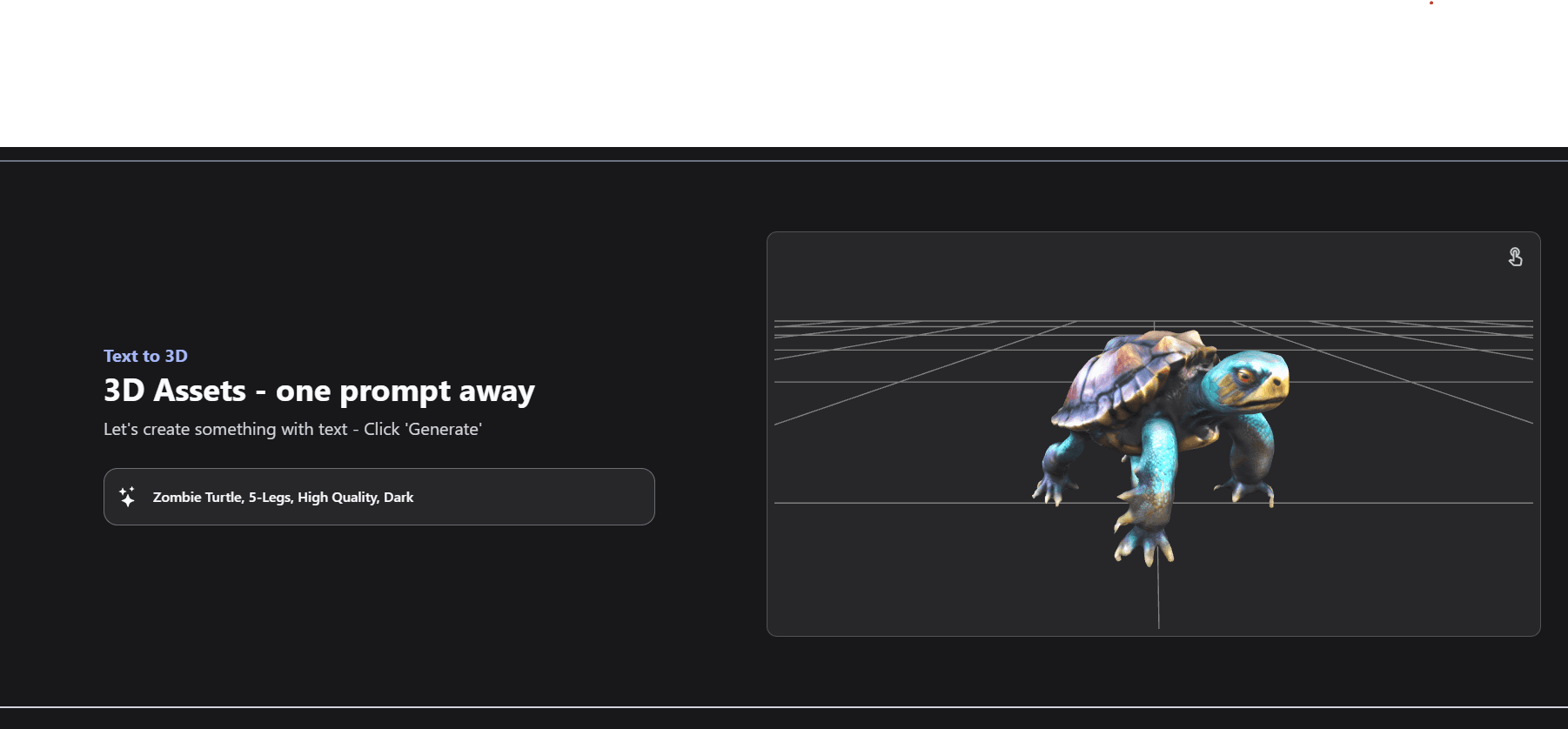
At 3D AI Studio, we're at the forefront of AI-powered 3D model generation. Our platform allows you to create stunning 3D models from simple text descriptions or 2D images in minutes, streamlining the 3D modeling process for both beginners and professionals.
Which Technique Should You Use?
Match the technique to your goal:
- Hard-surface objects (props, vehicles, architecture): box/subdivision modeling.
- Large environments or repetitive structures: procedural modeling.
- Realistic digital copies of real objects: 3D scanning or photogrammetry.
- Characters and organic shapes: digital sculpting.
- Fast results with no modeling experience: AI generation with a tool like 3D AI Studio.
- Production-ready game assets, fastest: AI generation for the base, then auto-remesh and light sculpting for clean topology.
Choosing the Right Technique
Selecting the best technique depends on your project requirements, skills, and available resources. Here are some factors to consider:
- Project complexity and scale
- Required level of detail
- Time constraints
- Available software and hardware
- Your personal skills and preferences
Often, the most effective approach is to combine multiple techniques. For example, you might use AI-generated models as a starting point, then refine them using traditional sculpting or box modeling techniques.
Conclusion
The world of 3D modeling is diverse and constantly evolving. From traditional methods like box modeling to cutting-edge AI solutions, each technique offers unique advantages. By understanding and experimenting with different approaches, you can find the perfect workflow for your projects.
Remember, the key to mastering 3D modeling is practice and experimentation. Don't be afraid to try new techniques and tools, like our AI-powered 3D model generator, to enhance your workflow and bring your creative visions to life.
Happy modeling!

Generate 3D models with AI
Easily generate custom 3d models in seconds. Try it now and see your creativity come to life effortlessly!
FAQ
What is the easiest way to make a 3D model for beginners?
AI-generated 3D modeling is the easiest entry point in 2026. With a tool like 3D AI Studio you describe an object or upload an image and get a textured model in minutes, then learn traditional techniques like box modeling or sculpting as you go.
Which 3D modeling technique is best for game assets?
A common 2026 workflow is to generate a base model with AI, then clean up the topology with auto-remeshing and refine details with box modeling or sculpting. This balances speed with the clean geometry games require.
Can you combine AI and traditional 3D modeling?
Yes, and it is the most effective approach. Use AI to create a base mesh quickly, then apply sculpting, box modeling, or retopology to add detail and control.
What are the 5 main techniques for making 3D models?
The five core techniques are box/subdivision modeling (refining a simple shape), procedural modeling (rule-based generation), 3D scanning and photogrammetry (capturing real objects), digital sculpting (shaping like clay), and AI generation (creating models from text or images). In 2026, many creators combine AI generation with a traditional technique for refinement.